
Traditional decor offers the comfort of warmth, the familiarity of timelessness and a lived-in, welcome one feels for things that have been passed down or otherwise accumulated over the years. Based on traditional European design most of their collections inspired by 18th-19th century furniture with richness, classic and practical style. Whereas modern or minimalist design favors simplicity and clean lines, traditional spaces embrace architectural details, symmetry, texture layers combining old furniture with antique pieces.
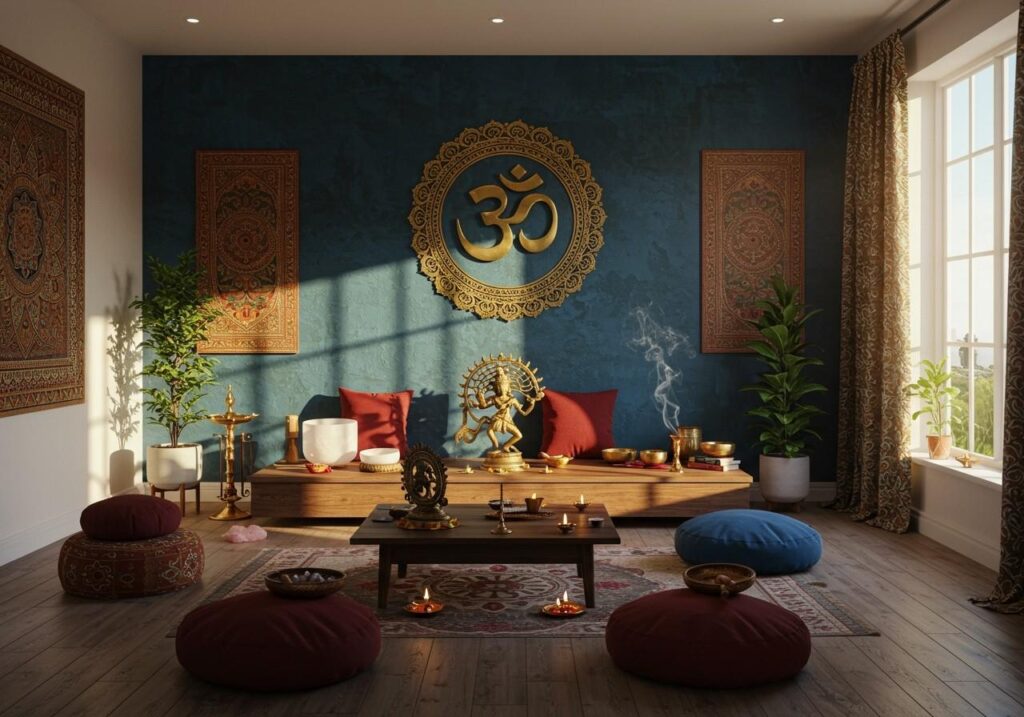
In the fast-moving trend world we live in, traditional home decor never goes out of style and remains a timeless option. Not only does it provide a welcoming feeling in a home, it is guaranteed to be timeless. And whether you’re redoing an entire home or just want to add a few vintage touches, this style works into any space.
Characteristics of Traditional Decor
Traditional decor means more than just one thing the way you might think of modern style as a design movement that’s all about geometry or simplicity; rather, it’s a mash-up of at least three distinct aesthetics (English Country, French Provincial and American Colonial) with two additional (Italian Renaissance and formal country styling) thrown in for good measure. Here are some key features:
1. Symmetry and Balance
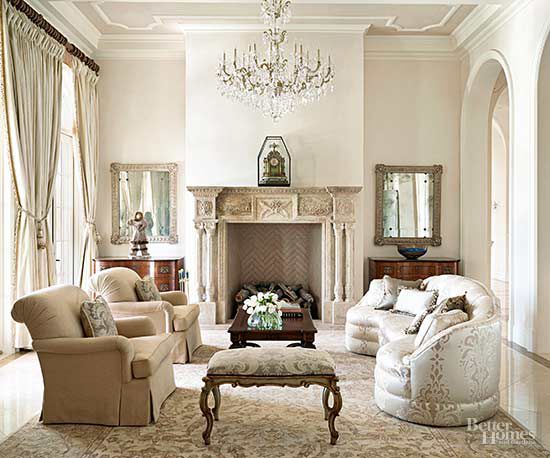
Traditional is based on symmetry. Mirror Image From furniture arrangements to wall art, you’ll notice that everything is often mirrored for a balanced appearance. For instance, two matching lamps on a couch or pair of chairs opposite one another.
2. Rich, Warm Colors
Colors found in traditional decor tend to take on more warm and cozy tones. The use of colors such as beige, ivory, cream, brown and burgundy create a striking and relaxing ambiance.
3. Classic Furniture
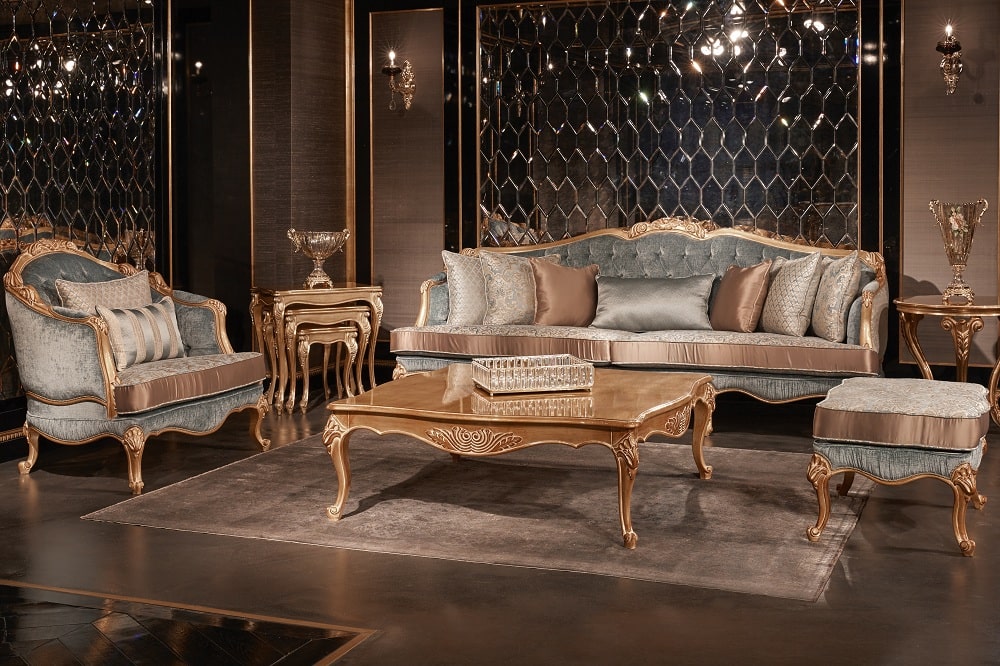
Traditional furniture is defined by its curves, carved ornamentation and quality construction. The pieces are often made from dark woods like mahogany, walnut or cherry and feature tufted sofas, wingback chairs and ornate coffee tables.
4. Elegant Fabrics
Fabrics are an essential part of classic interiors. Silk, velvet and damask are employed in upholstery, curtains and cushions. Designs vary from florals, stripes and plaids.
5. Detailed Architectural Elements
Crown moldings, wainscoting, coffered ceilings and detailed trims are the hallmark of traditional interiors. It’s these unique elements that give the space so much character and warmth.
Why Choose Traditional Decor?
If you’re wondering why traditional decor remains so compelling for homeowners, here are a few:
- Never going out of style: Unlike tending, classic never goes out of fashion.
- Warm and homely: Makes a cozy and homey atmosphere, bringing families together.
- Elegance and class: Every bit of decor, right down to the chandeliers and rugs feels luxurious.
- Transition: Classic elements can effortlessly be mixed with modern accents to transform spaces.
Elements of Traditional Decor
1. Furniture
Elegant and richly detailed, traditional furniture features a strong presence. Sofas and chairs are given rolled arms and upholstered backs. Dining tables are expansive and some with ornate carvings. Vintage or replica pieces also blend so well with the design.
2. Colors and Patterns
Traditional interiors are typically fairly neutral with warm tones in the mix. Damask, floral, paisley and plaid patterns are incorporated to keep things interesting. Accent colors like gold, navy blue and maroon are seen as part of the whole concept.
3. Flooring
Classic hardwood is the flooring you expect in traditional homes. Rugs, particularly the Persian or Oriental variety, bring pops of color and warmth as well as cultural charm.
4. Lighting
Chandeliers, wall sconces, dainty table lights with shades in fabric are the favourite choices for lighting. They cast a warm, soft light on the interiors.
5. Accessories
Accessories including oil paintings, porcelain vases, decorative mirrors and bronze figures further complement the aesthetic. Framed family photos and heirlooms are another personal touch.
Traditional Decoration for Different Spaces
Living Room
The living room is the focal point in any home and dictates decor. In classic design, it frequently includes a substantial sofa with cushions that have tufted details, sophisticated armchairs, a wooden coffee table and decorative elements like vases and framed art. A chandelier or statement ceiling light ties the room together.
Bedroom
Vintage bedrooms are very warm and cozy. Heavy drapes, a four-poster bed or upholstered headboard, bedside tables with lamps and plush rugs contribute to the tranquil ambience. A neutral palette with sumptuous accents adds luxury to the room.
Dining Room
The dining room is elegantly appointed with a big dining table, surrounded by upholstered chairs, and served by a crystal chandelier. Embellishments in the form of decorative china cabinets, sideboards and table runners with intricate handwork contribute to the overall appeal.
Kitchen
Classic panelling cabinets, crown molding and warm wood tones in a more traditional style of kitchen. The bright kitchen is accented with granite or marble countertops, vintage-inspired hardware and pendant lights.
Bathroom
Period bathrooms usually feature pedestal sinks, freestanding tubs, elaborately framed mirrors and tiled floors with geometric patterns. The sumptuous feeling is enhanced by warm lighting.
Blending with Mid-Century Modern Looks
It is very attractive for homeowners who like a mix of old and new, traditional and modern design — which we call transitional décor. For example, juxtaposing a traditional sofa with a modern coffee table or using neutral walls with ornate moldings. This is what makes a home classic and so timeless but updated as well.
How to Incorporate Traditional Decoration at Home
- Begin with Classic Furniture – Splurge on a couple of classic furniture pieces, such as wingback chairs or a carved wood table.
- Layer Textiles – Bring warmth and depth with curtains, rugs, cushions etc.
- Mix in Antiques or Reproductions – One old piece can make your place.
- Symmetry is a Priority – Group furniture and accessories in pairs or mirror them.
- Choose dark colors strategically – Offset dark hues with neutrals to prevent the space from feeling closed in.
- Integrate Statement Lighting – Add interest with chandeliers, sconces and table lamps.
Decoration Pros and Cons
Pros:
- Timeless and elegant style.
- Adds warmth and coziness.
- Great for small and big spaces.
- Durable, high-quality furniture.
Cons:
- May feel “formal” to some homeowners.
- High standard of furnishings demands a higher investment.
- May appear too heavy when not balanced by lighter surfaces.
Traditional Decoration Trends for 2025
Though classic décor never goes out of style, homeowners are getting a little creative:
- Neutral palettes with pops of color such as deep blue or emerald.
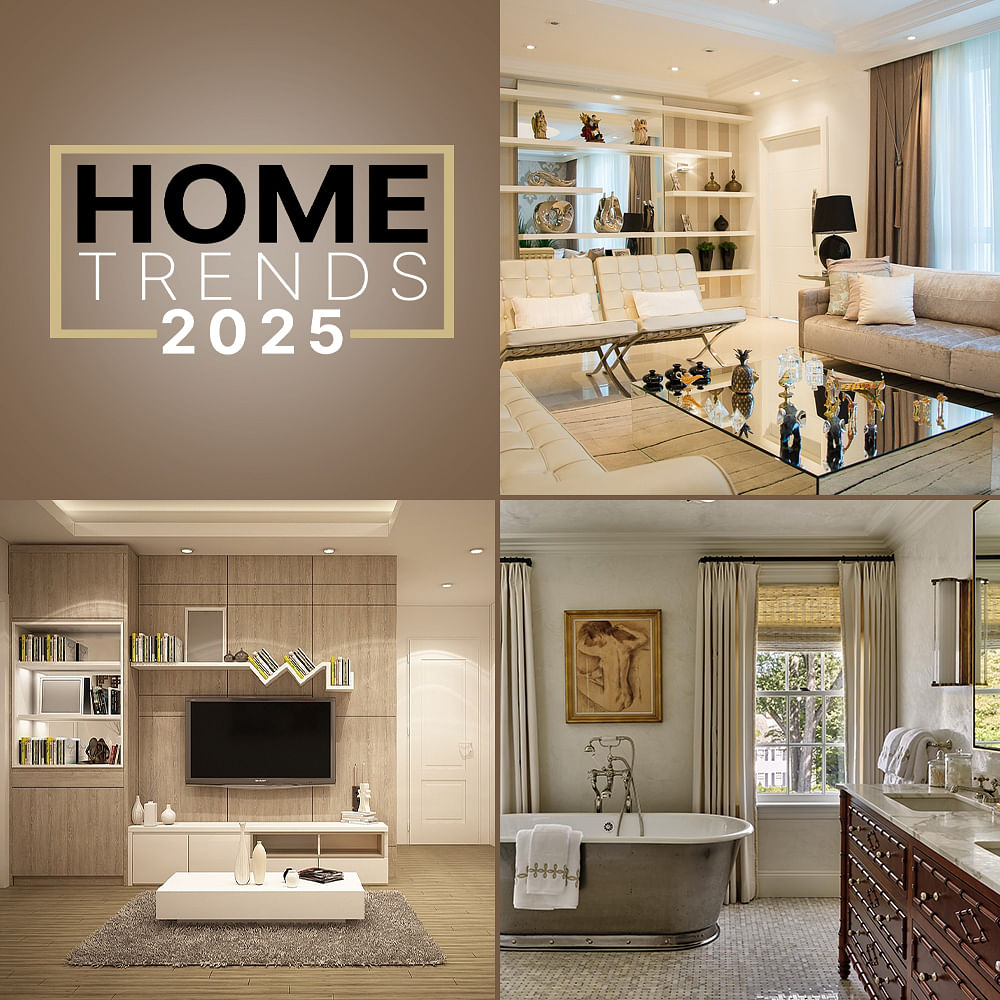
- Blend of vintage and contemporary pieces for a transitional feel.
- Durable materials in furniture and fabrics.
- The layered fabrics and accessories (about as bold and brash as you can get).
Conclusion
Classic home decor is more than just a popular style, it can say something of one’s elegance, comfort choices and even make a statement about your first impression on visitors. So if you’re after a full-on classic look, or just want to tone down a few contemporary touches, this style is guaranteed to make your home feel cosy and inviting without losing any of its smartness. Classical design elements, from graceful furniture and rich fabrics to pretty accessories, continue to be favored by discerning homeowners in every region.
Putting money into classic design is like investing in a legacy – it’s always fashionable and will keep your house looking graceful throughout the ages.