
What is Rangoli and How to Make
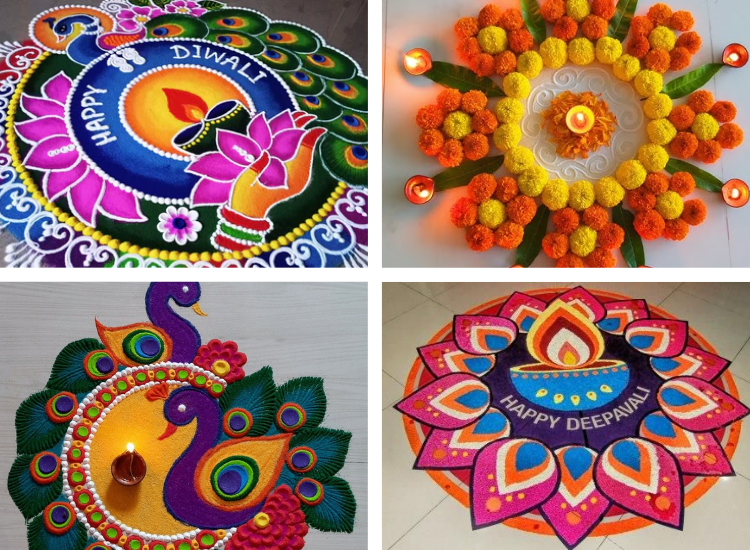
Rangoli is a traditional Indian art form that uses colors, patterns, and symbols to decorate the entrance or floors of homes, especially during festivals like Diwali, Pongal, Onam, and Navratri. The word “Rangoli” comes from the Sanskrit words Rang (color) and Aavalli (rows), meaning a row of colors.
It is believed that creating brings good luck, positivity, and prosperity. Traditionally, women in Indian households made every morning to welcome guests and deities. Today, Rangoli has evolved into a creative art loved by all generations.
Importance of Rangoli in Indian Culture
Rangoli is more than decoration; it’s a spiritual and cultural tradition. Each design carries a meaning — symbols like lotus flowers represent purity, peacocks signify beauty, and circles symbolize eternity.
During festivals, Rangoli becomes a way of expressing joy and devotion. It’s also a great way to teach creativity and patience to younger generations, connecting art with Indian heritage.
Materials Required to Make Rangoli
Before learning how to make Rangoli, you need to gather some simple materials. Here’s what you’ll need:
- Colored Rangoli powders (available in art or festive markets)
- White chalk powder or rice flour (for drawing outlines)
- Stencils or cones (helpful for beginners)
- Flower petals (like marigold, rose, and jasmine)
- Sieve or spoon (for spreading colors evenly)
- Diyas, candles, or glitter (for decoration)
- Brush or cotton swab (to fix small errors)
Tip: If you want an eco-friendly Rangoli, use natural colors made from turmeric, rice flour, beetroot, or flower petals.
Step-by-Step Guide: How to Make Rangoli at Home
Creating a beautiful Rangoli is easier than you think! Follow these simple steps to make your Rangoli design look professional and festive.
Step 1: Choose a Rangoli Design
Start by deciding what kind of Rangoli you want to make. For beginners, choose simple geometric or floral designs. If you’re experienced, you can try peacock, mandala, or circular Rangoli patterns.
You can draw inspiration from Pinterest, Instagram, or traditional Indian Rangoli books. Always ensure your design suits the space available — big, detailed Rangolis work best at entrances, while small ones are perfect for tabletops or pooja corners.
Step 2: Clean and Prepare the Surface
Rangoli should always be made on a clean and dry floor. Sweep and wipe the area to remove dust. Some people sprinkle a bit of water or chalk powder before starting so the colors stick well.
A neat surface ensures the Rangoli design stays intact and looks bright throughout the day.
Step 3: Draw the Outline
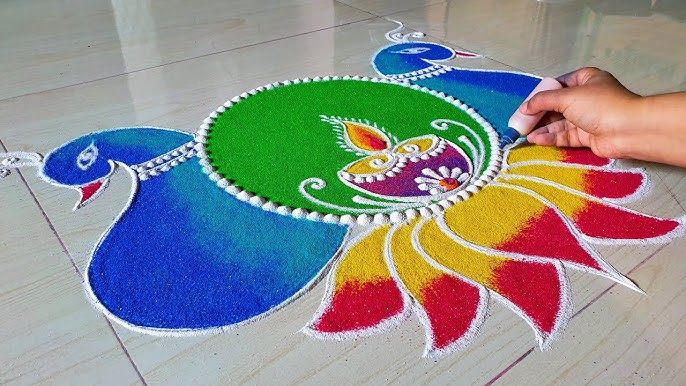
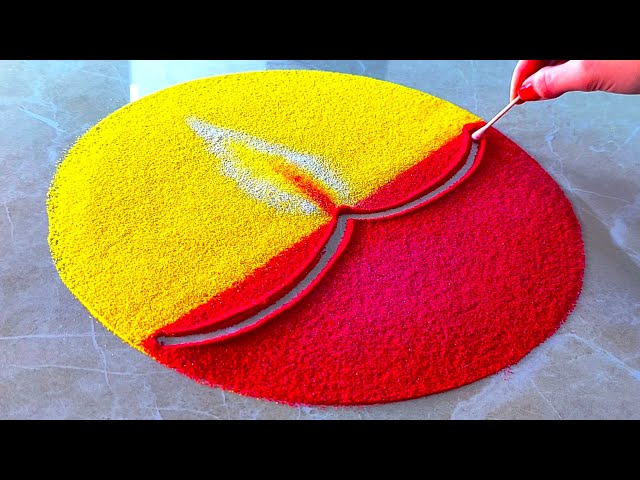
Use white chalk powder, a stencil, or rice flour to draw your Rangoli outline. The outline acts as a guide while filling in colors. Beginners can use dot grid patterns — draw small dots in even rows and then connect them to form beautiful symmetrical shapes.
If you’re making a free-hand , sketch lightly before applying colors. You can also use mobile apps for Rangoli templates to practice designs digitally before making them on the floor.
Step 4: Fill in the Colors
Once your outline is ready, start filling in the colors. Use your fingers or a small sieve to spread the powder evenly. Always begin from the center and move outward to avoid smudging.
For best results:
- Use bright colors like red, yellow, orange, blue, and green.
- Mix fine and coarse powders for texture.
- Blend two shades to create a gradient effect.
You can also make flower Rangoli by using petals instead of powder — perfect for a natural and fragrant look.
Step 5: Add Decorative Touches
After coloring, enhance your Rangoli with diyas, candles, glitter, or beads. Adding diyas around the border gives a warm festive glow, especially during Diwali.
You can also outline the Rangoli with rice grains or white chalk for a neat finish. For a 3D effect, place small mirrors or stones in the center of each pattern.
Easy Rangoli Design Ideas for Beginners
Here are some simple ideas you can try at home:
- Dot Rangoli: Connect dots in a pattern using lines or curves.
- With Flower : Use fresh petals of marigold, rose, and jasmine.
- Geometric : Create triangles, circles, and squares for a modern look.
- Peacock : Perfect for festivals like Diwali – colorful and elegant.
- Stencil : Use ready-made stencils for quick and clean designs.
These designs are ideal for people who are new to making Rangoli and want to create something impressive with minimal effort.
Tips How to Make Rangoli Perfect
Here are a few expert tips to make your Rangoli beautiful and long-lasting:
- Always plan your design in advance.
- Use bright contrasting colors for visibility.
- Mix rice flour with Rangoli color for extra shine.
- Avoid making Rangoli in windy or wet areas.
- Use stencils or stickers if you’re short on time.
- Try theme-based Rangoli for festivals like “Diwali Diyas,” “Ganesh Ji,” or “Peacock Motifs.”
- Take a picture immediately after finishing — it helps capture your hard work before anyone accidentally steps on it!
Common Mistakes to Avoid While Making Rangoli
- Don’t rush; uneven spacing can ruin the symmetry.
- Avoid using wet colors unless you’re skilled at liquid Rangoli.
- Never start coloring from the edges — begin at the center.
- Keep a small brush handy to fix errors instantly.
Learning how to make Rangoli takes patience, but with practice, you’ll get better with each design!
Conclusion
Rangoli is not just a decoration—it’s an expression of joy, art, and tradition. With this step-by-step guide on how to make Rangoli, you can easily create colorful designs at home for Diwali or any special occasion.
Whether you use Rangoli powder, flower petals, or stencils, each design reflects your creativity and love for Indian culture. So, gather your colors, pick a design, and make your home shine with a beautiful Rangoli this festive season!